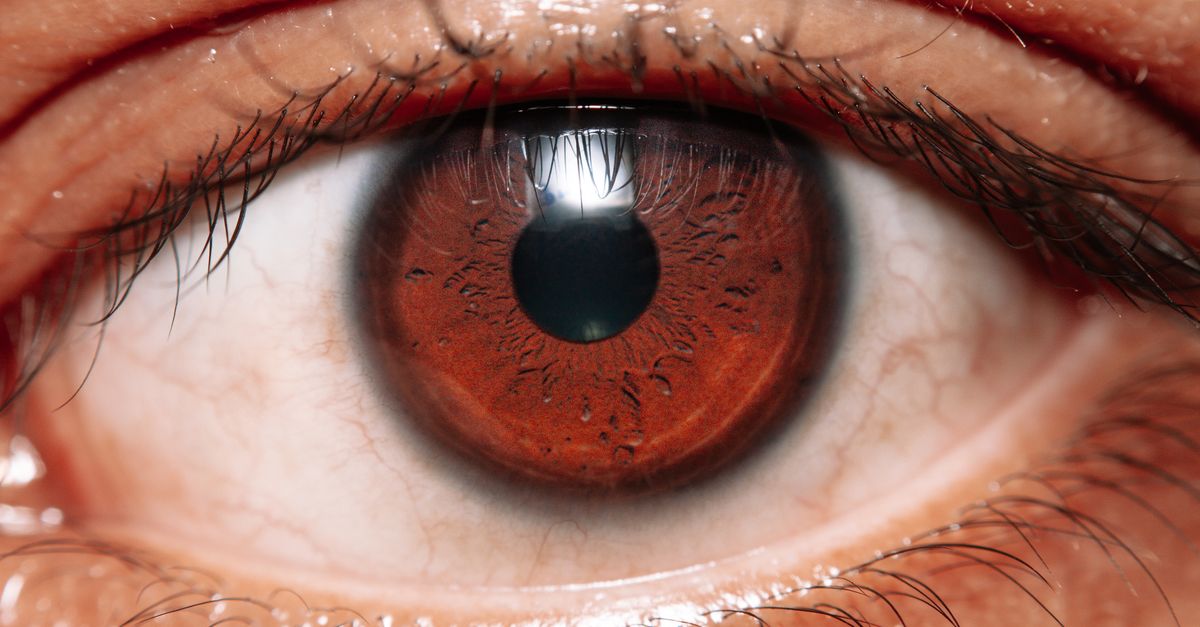
A cataract occurs when the eye's natural lens loses its clarity, causing blurred vision. It usually develops with age and is one of the most common causes of treatable vision loss worldwide.
Cataract Symptoms
- Blurry, cloudy or faded vision
- Difficulty seeing at night, glare from headlights
- Colors appearing dull or washed out
- Frequent changes in eyeglass prescription
How Is Cataract Surgery Performed?
Surgery is the only definitive treatment for cataracts. In the modern phacoemulsification technique, the clouded lens is removed without stitches and replaced with a custom-selected intraocular lens. The procedure is performed with numbing drops, is painless, and takes about 15-20 minutes; patients go home the same day.
Smart (Multifocal) Lenses
Smart lenses aim to provide both distance and near vision; for suitable patients, they greatly reduce or even eliminate the need for glasses after surgery. The right lens is chosen through detailed measurements and examination.
Frequently Asked Questions
Can cataracts be cured with medication? No, surgery is the definitive treatment. When should I have surgery? The decision is made together with your doctor once the cataract begins to affect your daily life.
If you notice blurriness in your vision, you can book an appointment for a comprehensive eye examination.
Related guide: What to Watch Out for After Cataract Surgery: A Day-by-Day Guide