The most important rules after cataract surgery are: use the eye drops your doctor prescribes regularly, avoid rubbing your eye and protect it from pressure, keep dirty water and soap out of your eye during the first few days, and attend every follow-up appointment. Cataract surgery is an eye procedure in which the eye's clouded natural lens is removed and replaced with an artificial intraocular lens. Although the surgery itself is short, healing continues for days; small mistakes during this period can lead to problems such as infection or delayed wound healing. The information below is a general framework; because every patient's situation is different, the final word always belongs to the doctor who operated on you.

What is cataract surgery, and why does aftercare matter?
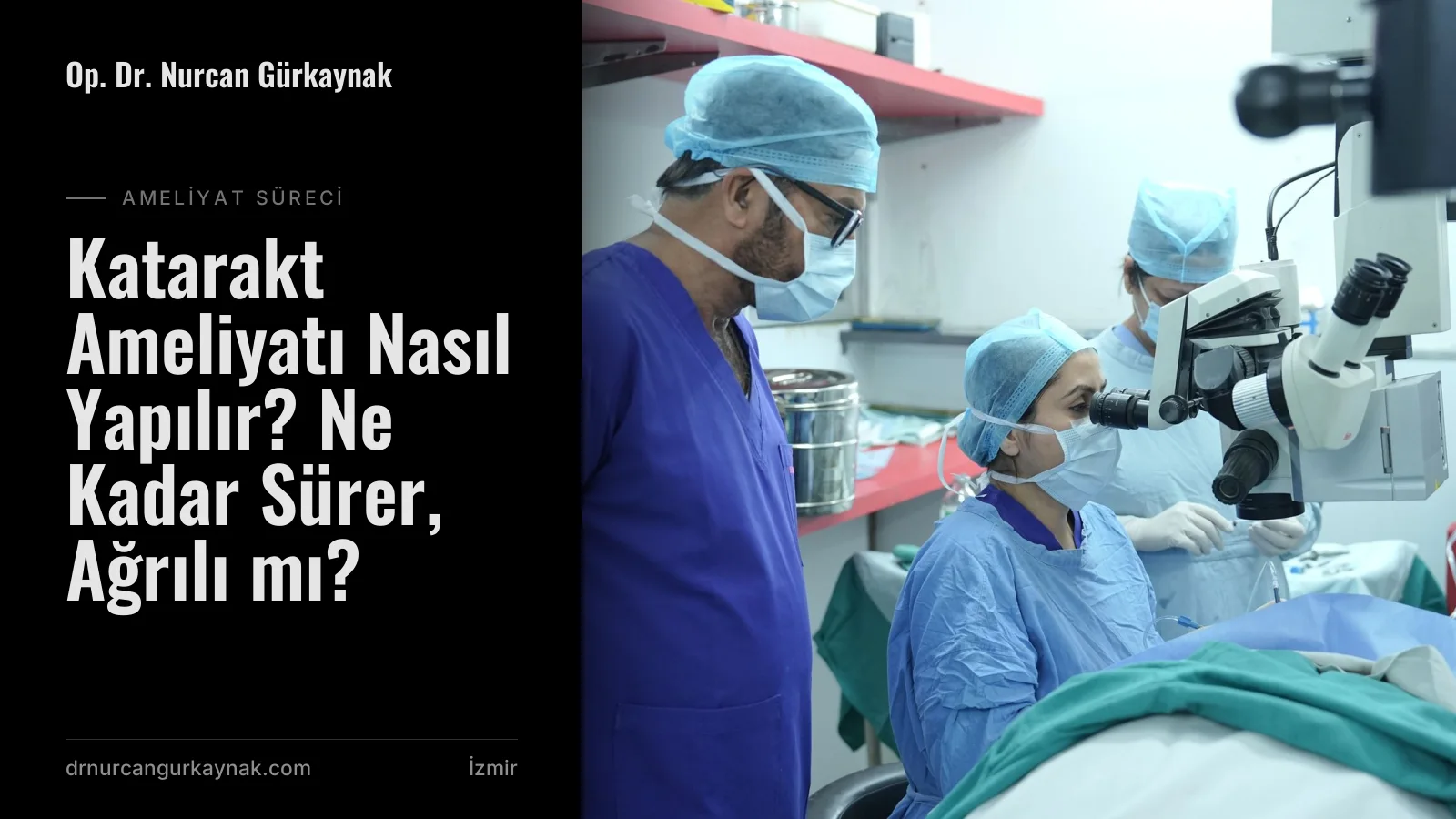
A cataract is the gradual loss of transparency of the eye's lens. During surgery, a very small incision is usually made in the eye, the clouded lens is broken up and removed, and an intraocular lens is placed in its position. If you are curious about the process and symptoms before surgery, you can take a look at our article on cataract symptoms and surgery.
Even though the incision is small, the eye remains sensitive to infection and external factors for a while after surgery. That is why the answer to the question "What should I pay attention to after cataract surgery?" directly affects the quality of your recovery. Aftercare focuses on three goals:
- Reducing the risk of infection
- Supporting healthy closure of the incision
- Keeping inflammation and pressure inside the eye under control
What should you do in the first 24 hours?
The first day after surgery is when the eye is at its most sensitive. In most cases, a protective patch or shield is placed over the eye; you should not remove it for the length of time your doctor specifies.
- Rest when you get home, but you do not need to lie down constantly; light movement is generally allowed.
- Do not rub or press on your eye.
- Keep the patch on until your first check-up, or as your doctor instructs.
- Mild stinging, watering, a foreign-body sensation or sensitivity to light may occur during this period; however, severe pain is not considered normal.
- Start the prescribed drops at the times you were given.
- It is practical to have someone with you after surgery.
Which symptoms are normal after surgery?
Blurry or wavy vision, mild redness, light sensitivity and a feeling of dryness are common in the first few days. These symptoms usually fade within days. On the other hand, steadily increasing pain or sudden loss of vision is not part of an expected recovery and needs to be evaluated.
What should you watch out for while sleeping?
Wearing the protective shield during the first nights prevents you from unknowingly rubbing your eye in your sleep. Your doctor may also advise you not to lie on the side of the operated eye; lying on your back or on your other side is a comfortable option for most patients.
How should eye drops be used, and for how long?
Post-surgery drops usually contain an antibiotic and an anti-inflammatory. They are prescribed to prevent infection and suppress inflammation inside the eye. Because the duration and frequency vary by doctor and patient, it would not be accurate to give an exact number of days; for many patients, the drop schedule continues for weeks in a tapering dose.
Points to note when applying drops
- Wash your hands thoroughly with soap and water before applying drops.
- Do not let the tip of the bottle touch your eye, eyelashes or skin.
- Gently pull down your lower eyelid and instill a single drop; one drop is enough.
- If you are using more than one drop, wait the interval your doctor recommends (usually a few minutes).
- Follow the order and times on the drop bottle's label with a schedule.
- Even if you feel well, do not stop or reduce the drops on your own.
Eye protection: how to use sunglasses and the protective shield
The protective shield is used especially while sleeping, to prevent you from unknowingly rubbing your eye or putting pressure on it. Your doctor will generally recommend wearing it at night during the first few days.
During the day, sunglasses reduce light sensitivity and protect the eye from wind, dust and pollen. After surgery, eyes can be more sensitive to bright light, so wearing glasses when you go outside provides comfort. In cold, windy weather, glasses are also useful for protecting your eyes from factors that cause watering and irritation.
What should be avoided after cataract surgery?
What needs to be avoided generally comes down to behaviors that expose the eye to the risk of infection, impact and pressure:
- Rubbing the eye or touching it with your fingers
- Wearing eye makeup (ask your doctor how long to wait)
- Entering dusty, smoky or dirty environments
- Shared water environments such as pools, the sea, saunas and jacuzzis
- Activities with a risk of impact to the eye
- Using other eye drops or medications without asking your doctor
What should you do about coughing, sneezing and cold weather?
Coughing and sneezing cause a brief rise in pressure. An occasional cough or sneeze usually isn't a problem; however, if you have a persistent and severe cough, it is a good idea to let your doctor know. Keeping your mouth open while sneezing may help reduce pressure. In cold weather, it is enough to wear sunglasses that shield you from the wind and to avoid factors that make your eyes water.
How many days after cataract surgery can you bathe? Is it harmful if water touches the eye?
Bathing and showering can generally be done the day after surgery or within a few days; however, water and soap must not get into the eye in the first few days. Since the exact timing can vary from doctor to doctor, it is best to clarify this at your first check-up.
Because tap water is not sterile, direct contact with the eye carries a risk of infection. Therefore:
- In the shower, it is safer to tilt your head slightly back and wash from the neck down.
- When washing your hair, tilt your head back and keep water and shampoo from running down your face; if possible, hairdresser assistance or washing while leaning back may be preferred.
- To wipe your face, use a clean, damp cloth or gauze; wipe without pressing around the eye.
- If water gets in by accident, do not rub your eye; gently dry it with a clean cloth and let your doctor know if the problem persists.
When can you start physical activity, exercise, and swimming?
Light walking is usually fine from the first few days. However, for heavy lifting, strenuous exercise, and movements that can raise eye pressure, your doctor's advice is essential. The general approach is as follows:
- Light walking: Usually allowed early on.
- Heavy lifting, excessive bending: Best avoided during the first few weeks.
- Strenuous exercise, gym: Resume gradually after your doctor's approval.
- Swimming, pools, the sea: Wait for your doctor's permission because of the risk of infection.
- Contact sports: Postponed for longer because of the risk of a blow to the eye.
When reaching toward the floor, it is better to bend your knees rather than letting your head hang low. Because the time limit for heavy lifting and bending varies from person to person, ask about it at your first follow-up visit.

When is it safe to read, use screens, and drive?
Reading and looking at screens will not harm your eye's healing; however, in the first few days your eyes may tire quickly and your vision may fluctuate. As long as you feel comfortable, you can watch television, use your phone, and read books in short intervals. If your eyes feel dry, blinking often and resting your eyes between screen sessions can help.
When it comes to driving, your visual acuity and how well both eyes work together are the deciding factors. Rather than a general answer like "you can drive after this many days," the safest course is to wait for your doctor to assess your vision at a check-up and give approval. The type of new lens can also affect the visual recovery process; for details, you can read our article on lens selection in cataract surgery.
When is your glasses prescription determined after surgery?
As the eye heals, vision settles over time. If you need glasses, the new prescription is usually written at the time set by your doctor, after check-ups once the eye has stabilized. Rushing to get glasses too early can lead to unnecessary expense if your prescription changes.
What are the nutrition and lifestyle recommendations?
No special diet is required after cataract surgery. Still, the following are beneficial for your overall eye and body health:
- Eating a balanced diet rich in vegetables and fruit
- Drinking enough water
- Staying away from cigarettes and smoke
- Eating fiber-rich foods to avoid straining due to constipation
- Maintaining a regular sleep schedule
- Keeping chronic conditions such as diabetes and high blood pressure under control
Why are post-operative check-ups important?
Check-ups are performed to assess the closure of the incision, intraocular pressure, the level of inflammation, and the position of the lens. An examination is usually scheduled the day after surgery and then at intervals determined by your doctor. Even if you feel very well, you should not skip these appointments, because some problems can begin without any symptoms. During check-ups, your eye drop schedule and daily restrictions are also updated by your doctor. In addition, in some patients vision may become blurry again months later; this may have a separate cause and requires an examination.
If you have cataracts in both eyes, surgery on the second eye is usually planned after the healing of the first eye has been evaluated. The same care rules apply after the second surgery.
Which symptoms require urgent medical attention?
If you experience any of the following symptoms, contact your doctor or the nearest eye emergency service without waiting for your next appointment:
- Severe eye pain that keeps increasing or does not go away with painkillers
- A sudden decrease in vision or blurring
- Noticeably increasing redness in the eye
- Flashes of light, new floaters, or a curtain or shadow in your field of vision
- Discharge from the eye
- Nausea and vomiting accompanying the pain
- A blow to the eye
Frequently asked questions and short answers
What should you watch out for after cataract surgery?
The most essential rules are to use your drops regularly, not rub your eye, keep water and dust out of your eye, avoid heavy lifting, and not miss your check-ups.
Is it harmful if water gets into the eye?
In the first few days, tap water getting into the eye carries a risk of infection and should be avoided. If contact occurs accidentally, inform your doctor without rubbing your eye.
How long are eye drops used?
The duration varies according to your doctor's plan; it is usually a tapering dose over several weeks. Do not stop on your own.
When can you take a bath?
In the first few days, you can usually bathe carefully, without letting water get into the eye and face area. For washing your hair and face, follow your doctor's advice at the first check-up.
Is heavy lifting and bending a problem?
It is not recommended in the first few weeks because it can raise eye pressure; how long to avoid it depends on your doctor.
Do other eye problems affect recovery after surgery?
Accompanying conditions such as dry eye, glaucoma, or eyelid problems can affect the healing process. For example, if you are curious about eyelid structure, our article on drooping eyelid (ptosis) may be helpful.
Medical support throughout the process
Recovery after cataract surgery goes more smoothly with proper care and regular check-ups. You can learn about the process on the cataract surgery page of Op. Dr. Nurcan Gürkaynak, who provides eye examinations and eye surgery at her practice in Alsancak, İzmir, and you can book an appointment for any questions you may have.
This article is for general information purposes only and does not constitute a personalized diagnosis or treatment recommendation. For post-operative care, always follow the instructions of the doctor who is monitoring you.
Frequently Asked Questions
When should I wear glasses after cataract surgery?
After cataract surgery, you should generally follow your doctor's advice on when to wear glasses. Avoid using glasses for the first few weeks.
How should I protect my eye after surgery?
To protect your eyes after surgery, wear sunglasses and avoid rubbing your eyes.
Which activities should I avoid after cataract surgery?
For the first few weeks after surgery, avoid heavy lifting, swimming, and exercise.
When should I use my medications?
Use your eye drops regularly as your doctor recommends, usually during the first few days after surgery.
What should I do if my vision changes after surgery?
If you notice a sudden change in your vision, contact your doctor immediately.
Is watering of the eyes normal after cataract surgery?
Yes, watery eyes and mild discomfort are normal after surgery. However, if this continues for a long time, you should consult your doctor.